Superior Cleaning, Healthier Living.
Central vacuum systems are a high-performance alternative to portable vacuums, offering significant health, power, and long-term financial benefits. Unlike traditional vacuums that recirculate fine dust, central systems vent debris entirely out of the living area into a remote collection unit
Request A Quote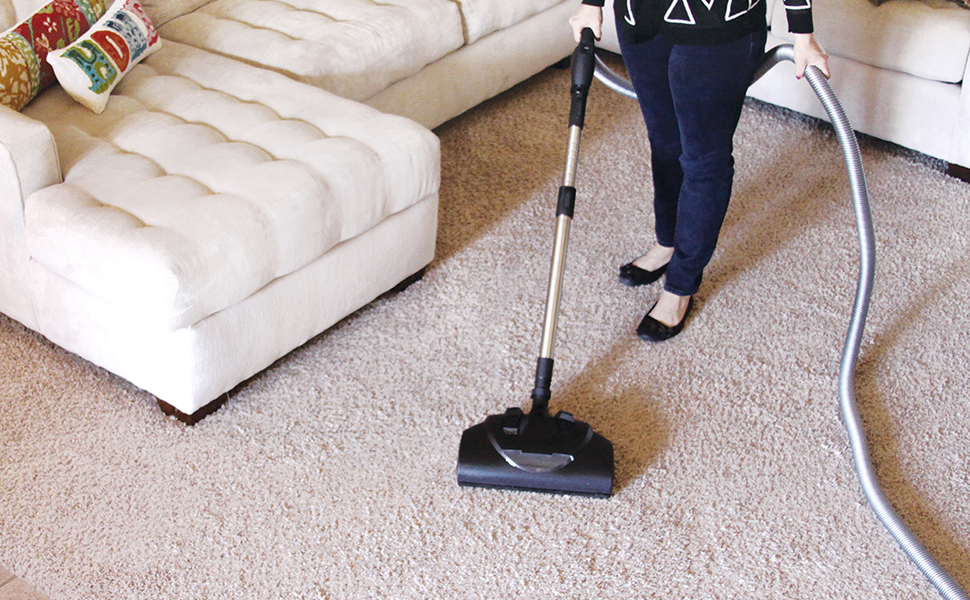
Properly Installed Central Vacuums Provide:
Superior Cleaning Power and Convenience, Health and Air Quality, Financial and Long-Term Value
- Superior Suction: Central vacuum motors are not restricted by size or weight, allowing them to be 3 to 5 times more powerful than upright or canister vacuums.
- Zero Recirculation: Central vacuums deposit everything to an outside canister, portable vacuums often release microscopic dust, pollen, and pet dander back into the room.
- While a high-end portable vacuum typically lasts 7–8 years, a central vacuum power unit is designed to last 20 to 30 years.
| Comparison: Central vs. Portable Vacuums | ||
|---|---|---|
| Feature | Central Vacuum System | High-End Portable Vacuum |
| Suction Power | 3x to 5x Stronger | Moderate |
| Air Quality | Exhausts outside living areas | Recirculates air inside |
| Noise Level | Quiet inside (motor outside) | Louder (motor present) |
| Lifespan | 20–30 years | 5–8 years |
| Maintenance | Empty a few times/year | Nearly every use |
| Upfront Cost | $1,000 – $4,000 (installed) | $300 – $900 |
Services
New Construction Installation
Installing a central vacuum during new construction is the most cost-effective and efficient time to run the necessary piping and wiring through open wall studs before the drywall is installed.
Retro-Fit Installation
Retrofitting an existing home involves fishing pipe through closets, attics, or crawlspaces to reach interior walls while minimizing the need for drywall repairs.
Remodels
Remodeling your home? This is a fanstastic time to consider installing a central vacuum system
Maintenance and Support
We can provide maintenance and service to your existing system. Even as far as upgrading your motor unit to gain the benefits of a modern system.


Contact Us!
Give Us a Call, or Fill out the Form to Get Started with a Free Consultation
Frequently Asked Questions
These are the questions we get most frequently. If you have a question that is not covered here, contact us and we will be happy to answer it for you!
1. Can central vacuums be installed in existing homes?
Yes. Systems can be retrofitted by running pipes through closets, attics, or crawlspaces. The process is a little more involved, however the vast majority of homes can be retro fitted with little to no drywall repair necessary.
2. How much do central vacuums cost?
With such a wide array of Motor Unit options, accessories, inlets available to us it is hard to nail down an estimate without an understanding of the property in which it will be installed.
3. How many inlets do I need?
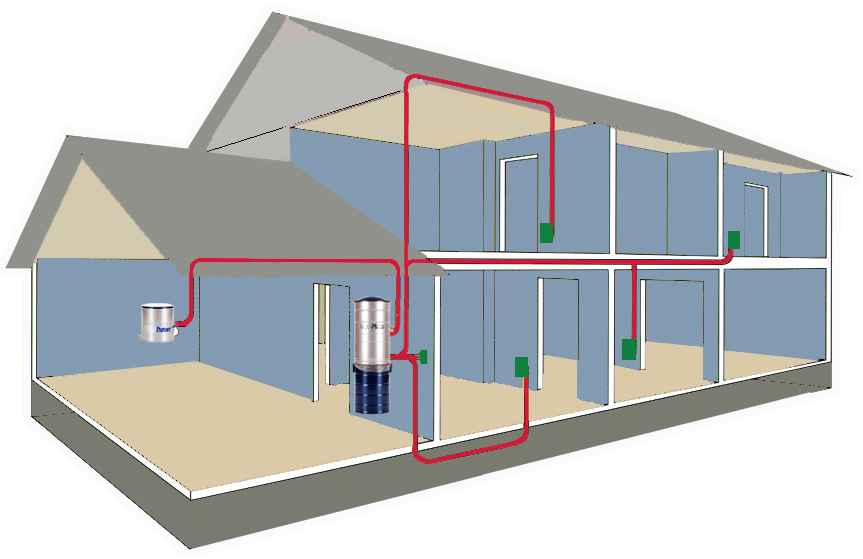
A standard rule is one inlet for every 700 to 1,000 square feet for standard installations. Hide A Hose installations require fewer inlets, depending on the home layout 1 Hide A Hose inlet could cover up to 2,000 square feet.
4. Do they add home value?
Yes, a central vacuum is a built-in feature that can increase a home's resale value by thousands of dollars.
5. Are they more powerful than portable vacuums?
Absolutely. Central vacuums provide 3 to 5 times the suction power of traditional portable vacuums.
6. Do they help with allergies?
Yes. Because the dust is transported to a remote canister and often vented outdoors, 100% of vacuumed allergens are removed from the living space rather than recirculated.
7. Are they quiet?
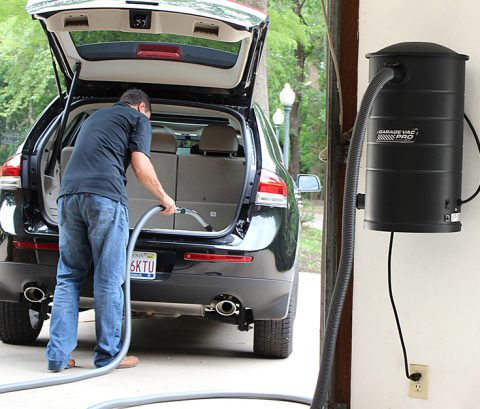
Because the motor is located in a garage or basement, the only sound you hear in the living area is the air rushing through the hose.
8. How often should I empty the canister?
Most canisters hold 7 to 10 gallons and only need to be emptied every 3 to 6 months.
9. What if I lose suction?
Common causes include a full dirt receptacle, a clogged filter, or a blockage in the hose or piping.
10. Can I vacuum liquids?
We do offer Wet Pick-Up collection cans that can be used between your hose and your inlet to allow for cleanup of wet areas. Standard systems are for dry debris only. Vacuuming liquids can cause motor damage, mold, and mildew.
11. Are parts universal?
Most central vacuum pipes (2-inch diameter) and attachments (1 ¼-inch diameter) are typically universal and interchangeable across different brands.
12. What is a VacPan?
Often called an automatic dustpan, it is a floor-level inlet usually installed in kitchen baseboards that allows you to sweep debris directly into the system.
13. What is a retractable hose?
Systems like Hide-A-Hose store the vacuum hose directly inside the wall piping, pulling it out for use and retracting it using the suction from the motor unit.
Contact
Please fill out the below form to Contact Us.
Address
Kearney, NE 68845
Call Us
308 206 1635
Email Us
casey@gpcvac.com